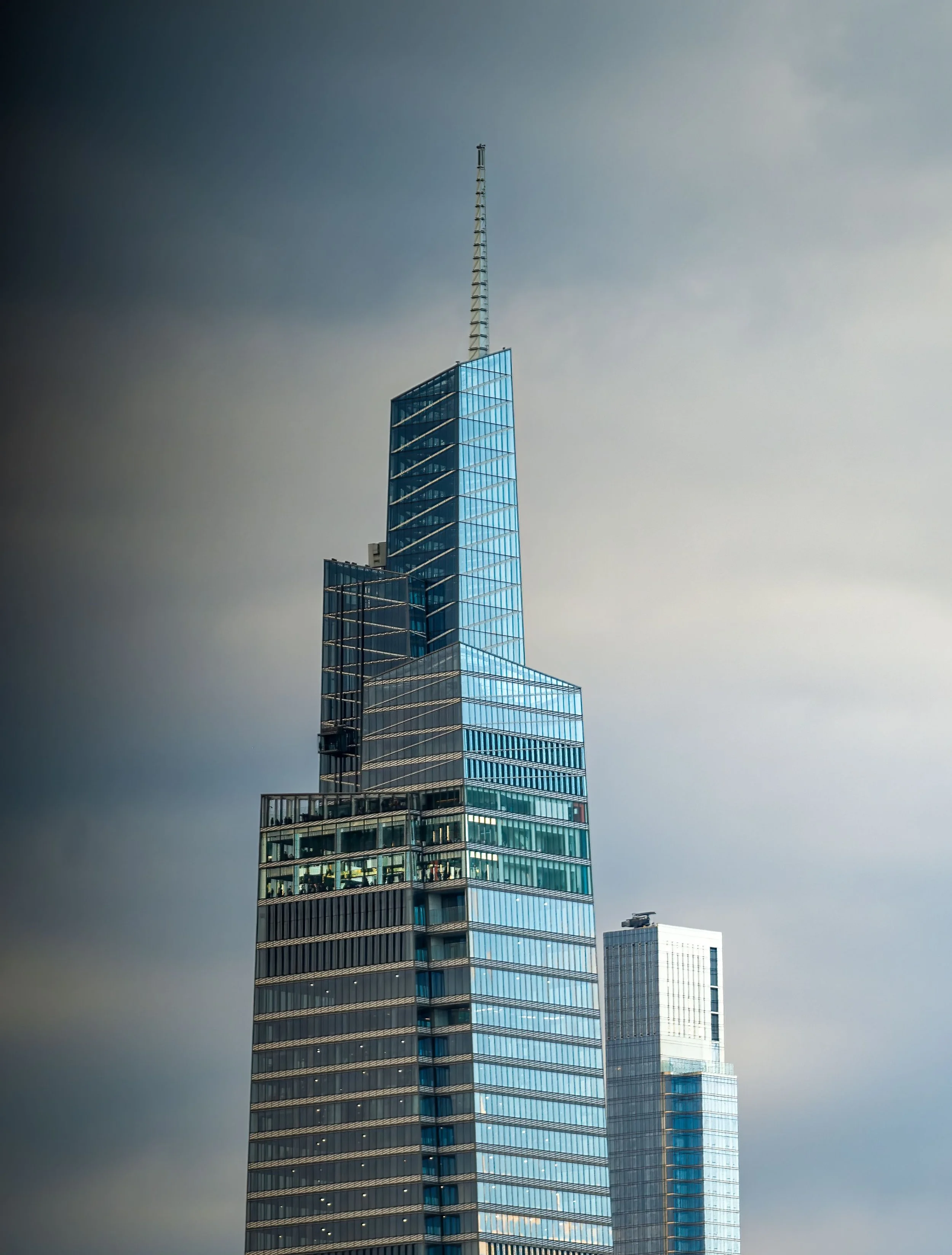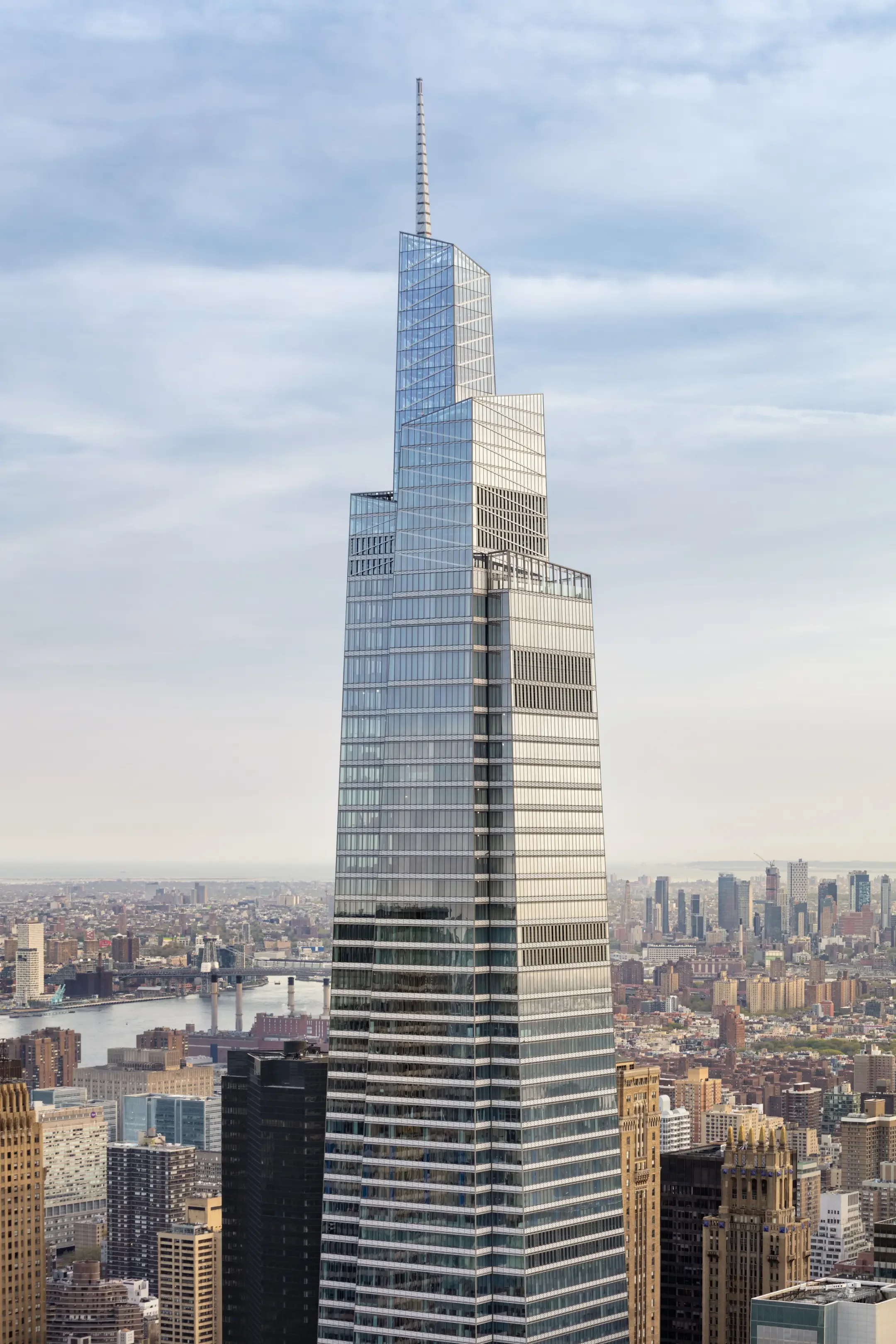
One Vanderbilt & SUMMIT
Transformational Urban Development — Strategy, Infrastructure, and Experience
One Vanderbilt is a defining example of infrastructure-led, mixed-use urban development—where architectural ambition, public benefit commitments, and innovative revenue strategy converge to reshape an entire district.
During his tenure at Hines, Douglas Moreland served as Co-Project Officer on One Vanderbilt, contributing across development strategy, design coordination, capitalization, and the creation of new revenue platforms. The experience informs Moreland Capital Partners’ advisory work on complex, large-scale developments where entitlement, infrastructure, design excellence, and financial performance must be aligned.
Overview & Development Vision
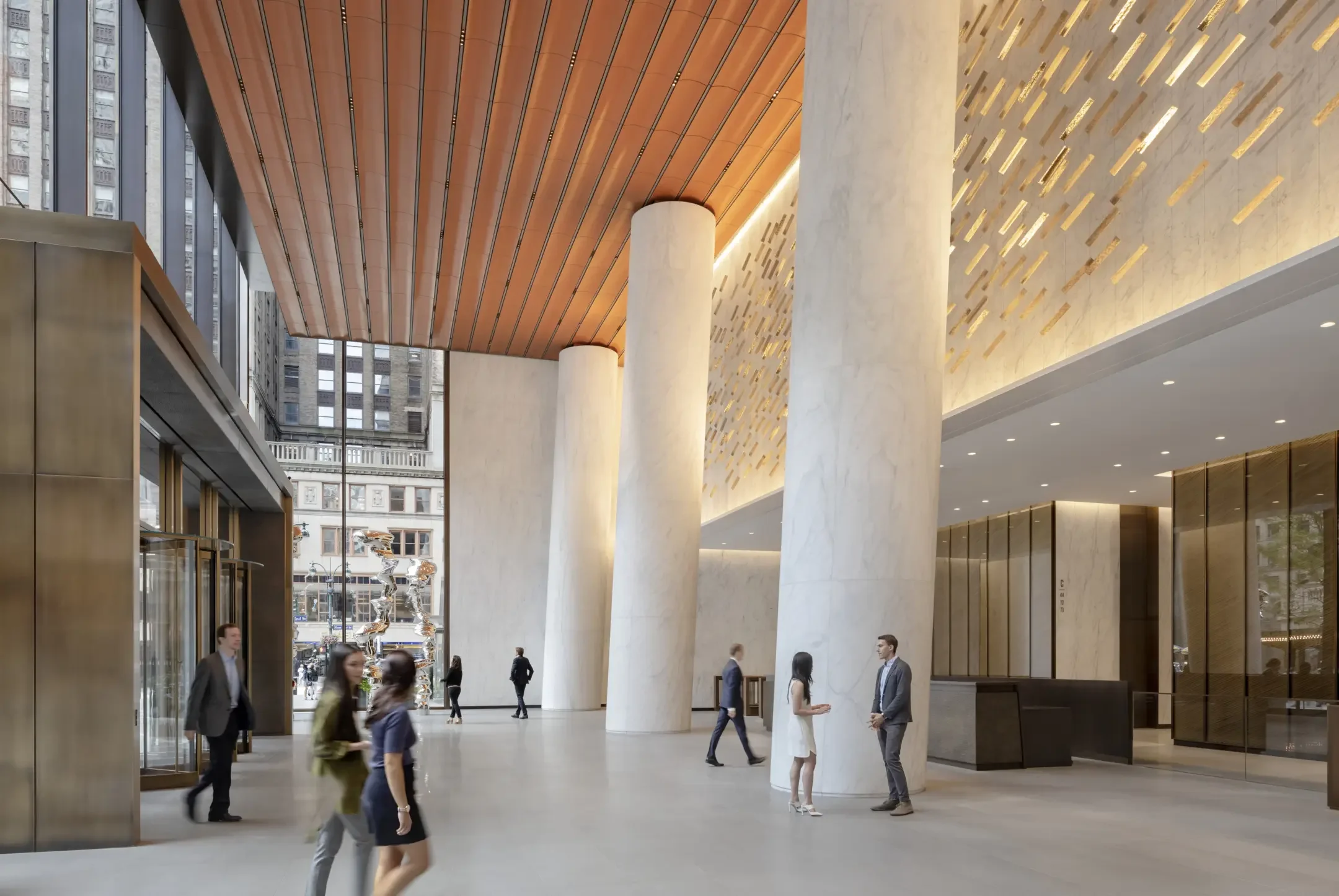
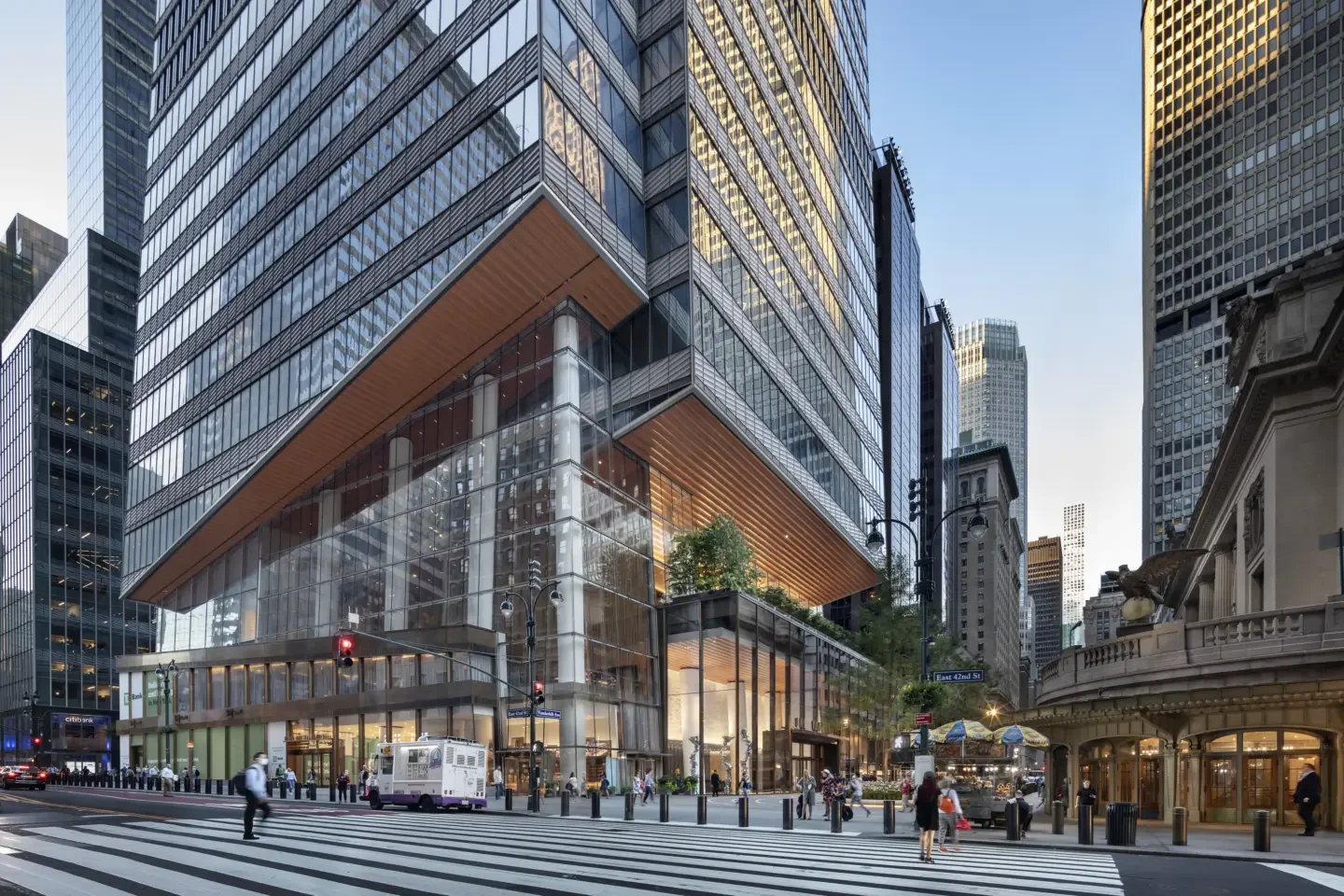
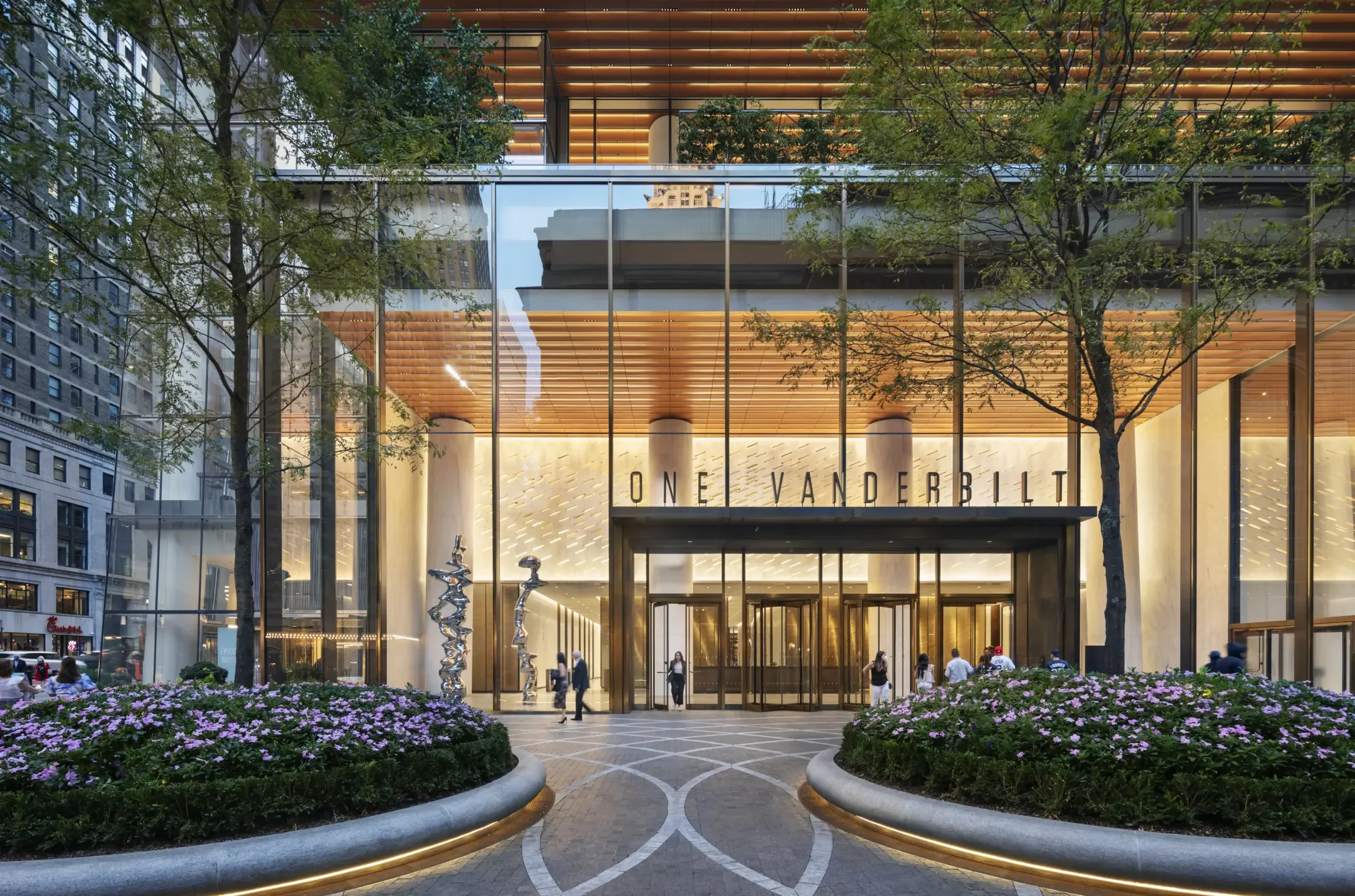
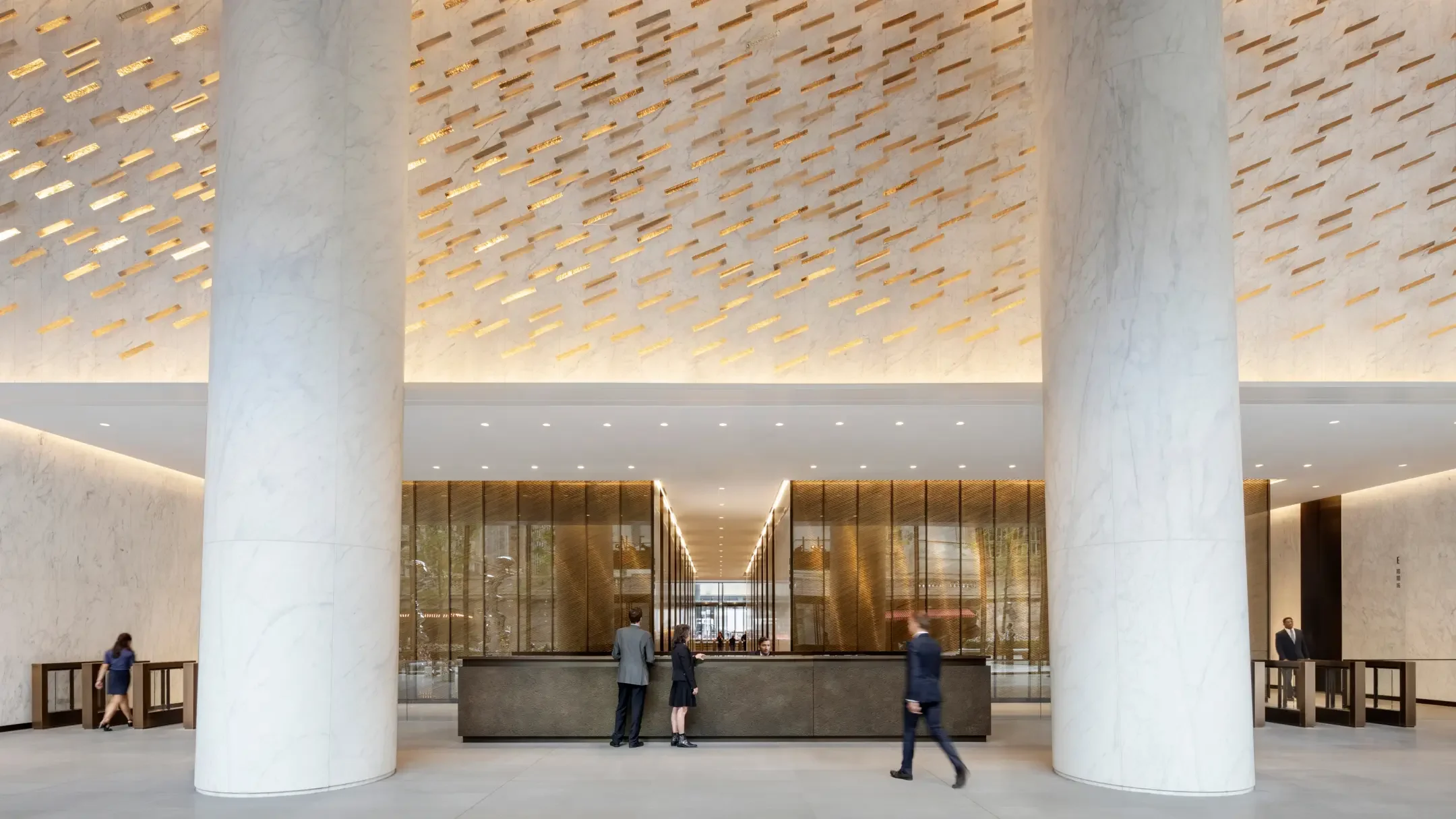
One Vanderbilt is a 1,401-foot, LEED Platinum–certified office tower located directly adjacent to Grand Central Terminal. Conceived not simply as a commercial office building, the project was designed as a catalyst for Midtown East’s reinvention, integrating workplace, public realm, transit infrastructure, hospitality, and experiential uses into a single, cohesive development strategy.
The project was enabled through New York City’s Midtown East rezoning framework, which allowed additional density in exchange for substantial public infrastructure investment. One Vanderbilt committed more than $200 million in privately funded subway and transit improvements, delivering new entrances, expanded circulation, and capacity upgrades that materially improved one of the busiest transit hubs in the world. This public-private value exchange became a model for future large-scale urban development.
Architecture & Design Leadership
One Vanderbilt was executed by a globally recognized design team:
Kohn Pedersen Fox — Tower architecture and urban integration
Gensler — Interior architecture and workplace strategy
Snøhetta — Observation experience and public-facing design
Isay Weinfeld — Le Pavillon restaurant design
The tower’s tapered form responds to zoning, context, and view corridors, while its base is carefully shaped to preserve sightlines to Grand Central Terminal. Sustainability and occupant performance were core drivers from inception, resulting in LEED Platinum certification and alignment with WELL Building principles—positioning the asset at the top of the global office market..
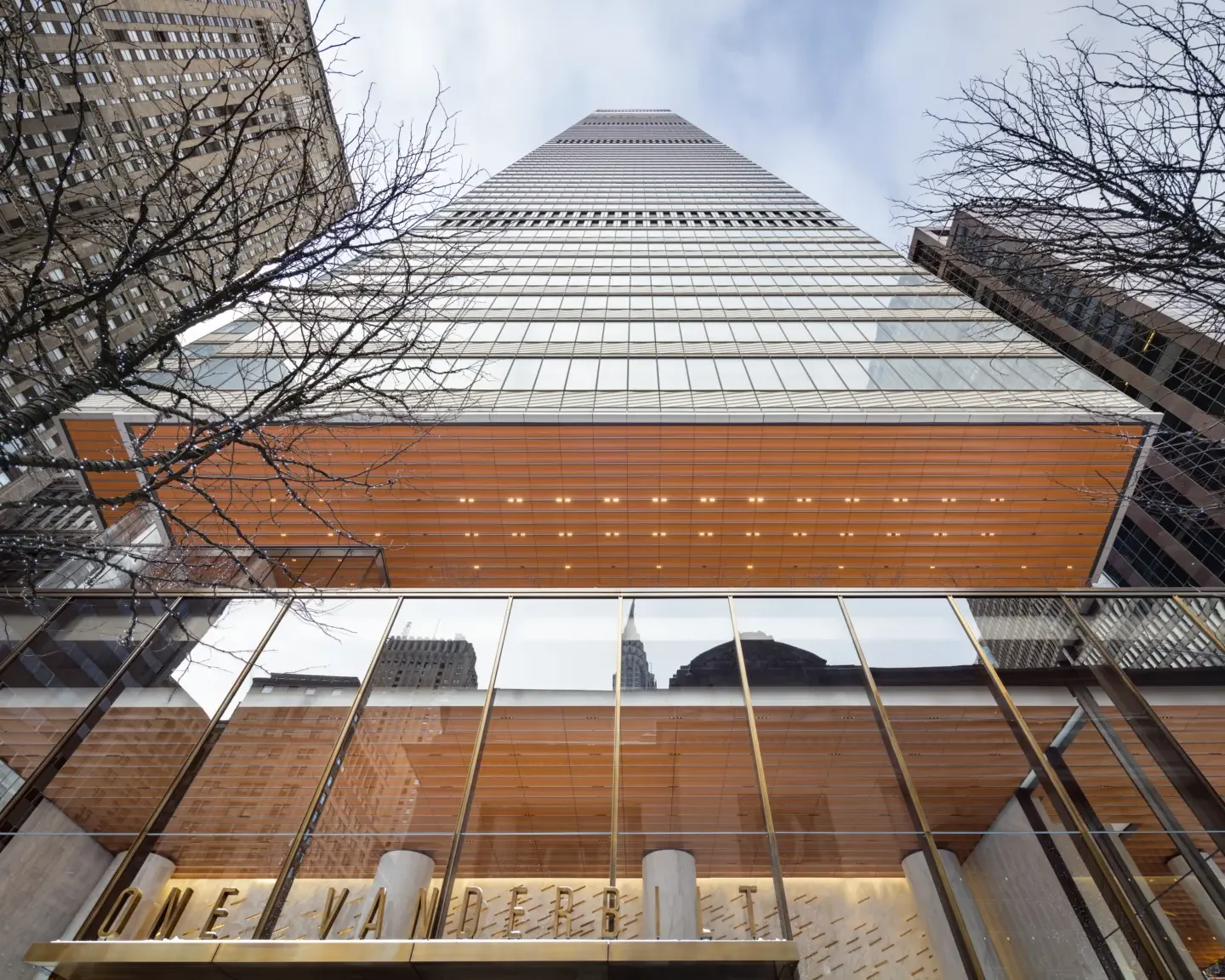

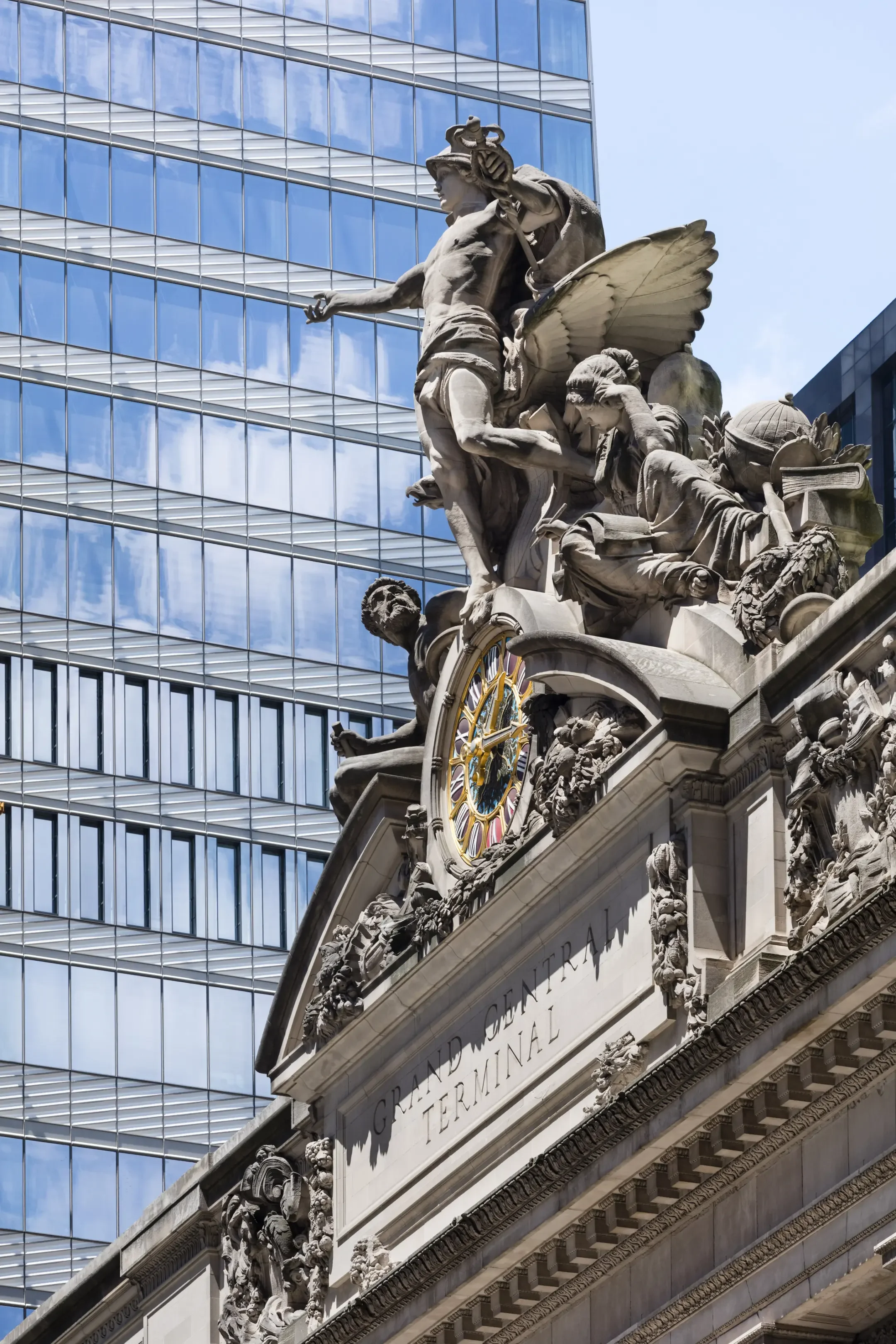
SUMMIT One Vanderbilt — Creating a New Revenue Platform
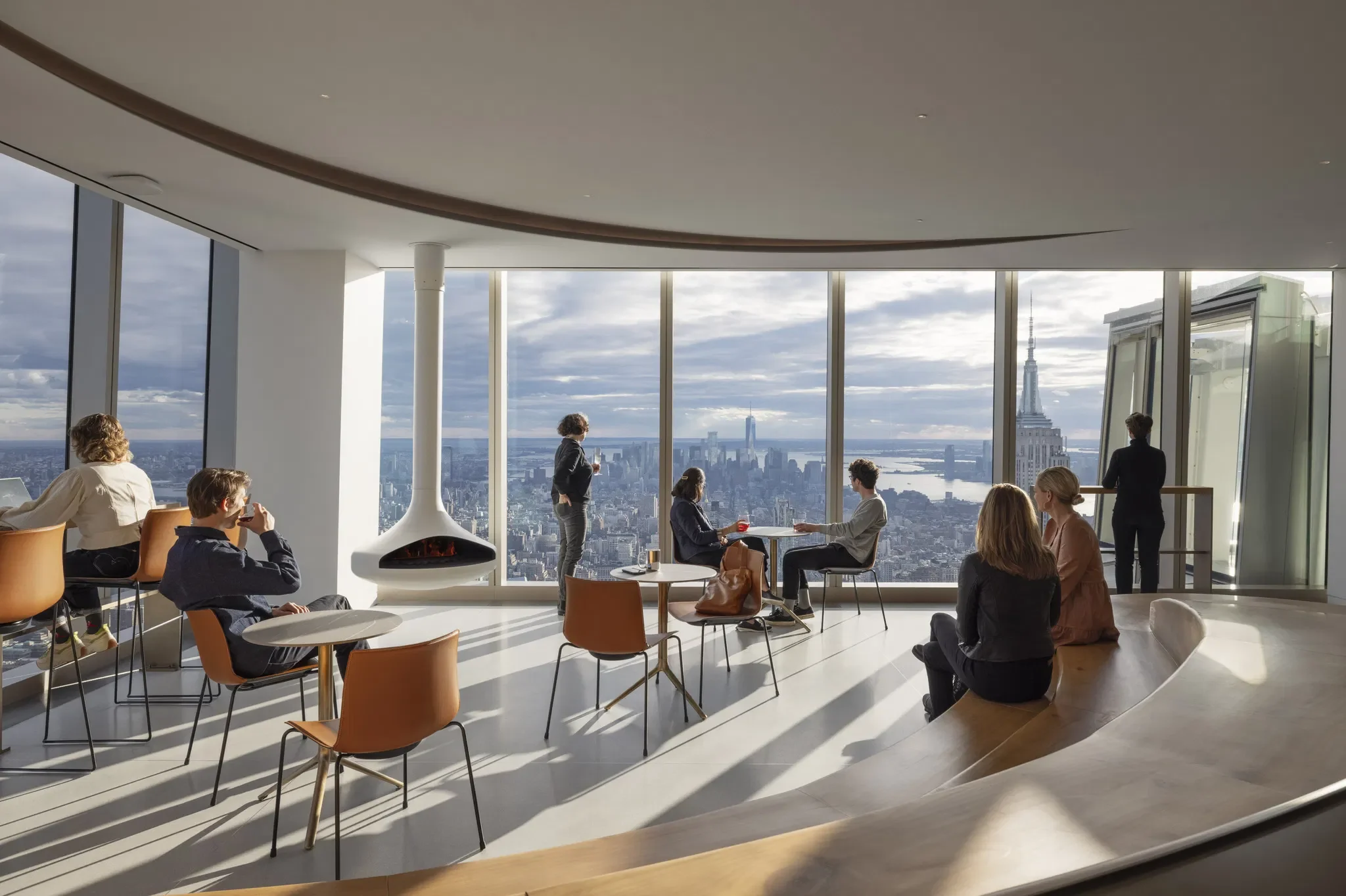
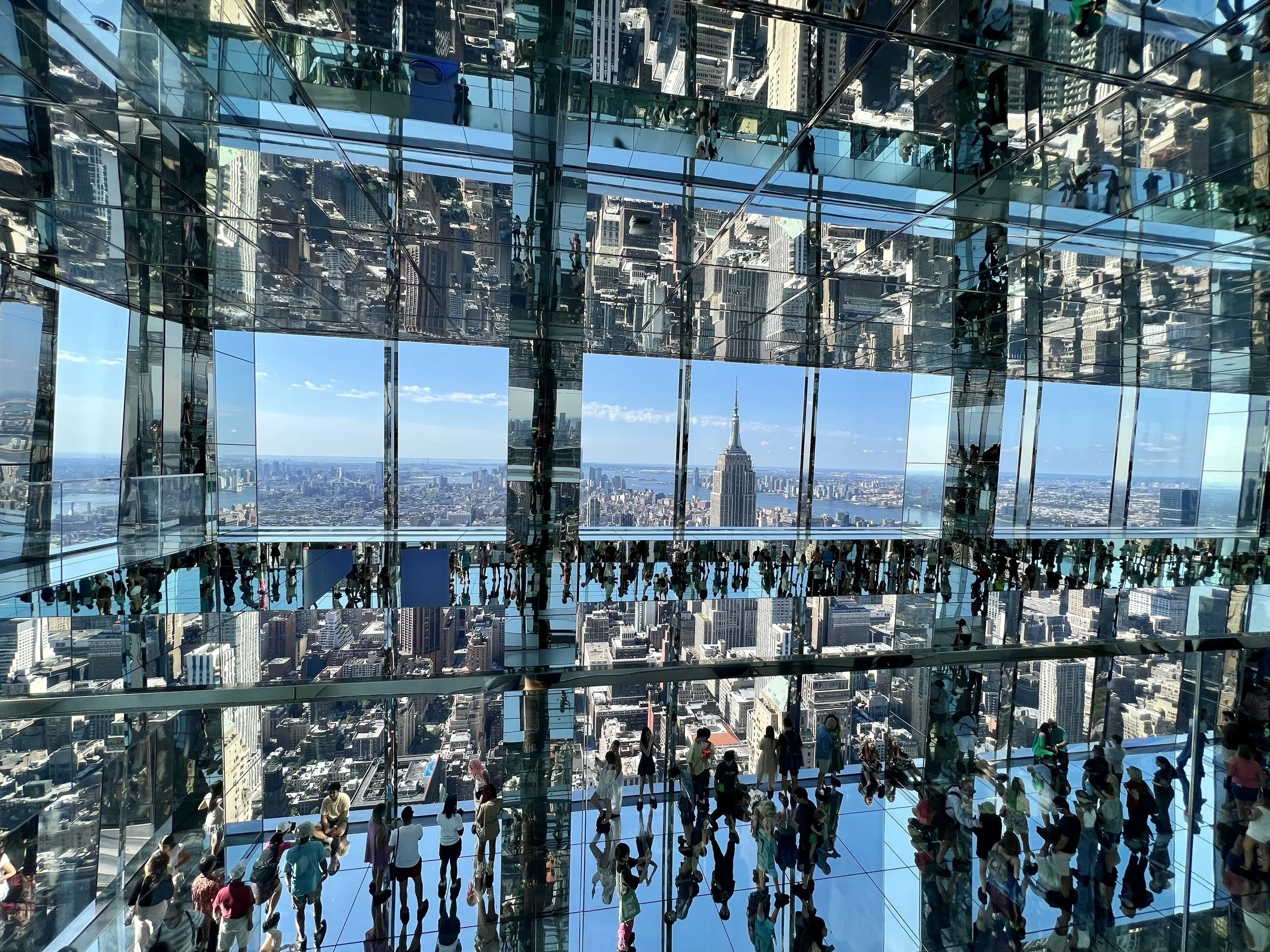
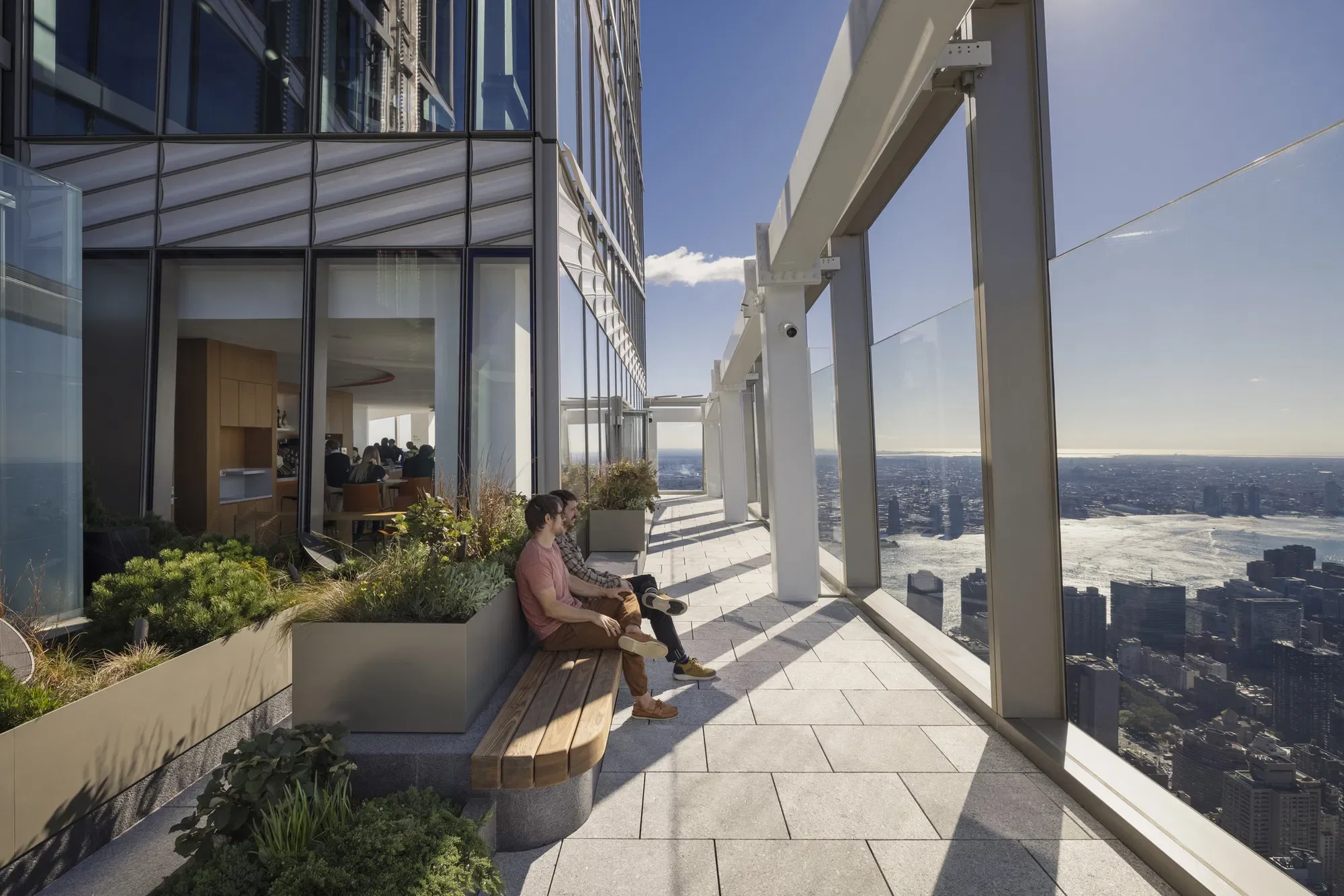
One of the most consequential strategic decisions at One Vanderbilt was the development of SUMMIT One Vanderbilt, occupying the top three floors of the tower.
Rather than a conventional observation deck, SUMMIT was conceived as a fully immersive, design-driven experience, integrating architecture, art, technology, and hospitality operations. From a development standpoint, SUMMIT was instrumental in addressing the project’s NOI challenges, introducing a high-margin, non-office revenue stream into the capital stack.
With gross annual revenues exceeding $100 million, SUMMIT stands as one of the most financially successful observation experiences globally. The planning, underwriting, and operational integration of this business required a level of cross-disciplinary development expertise that directly informs Moreland Capital Partners’ advisory capabilities—particularly where unconventional revenue strategies are required to unlock project feasibility.
Le Pavillon — Culinary & Mixed-Use Activation
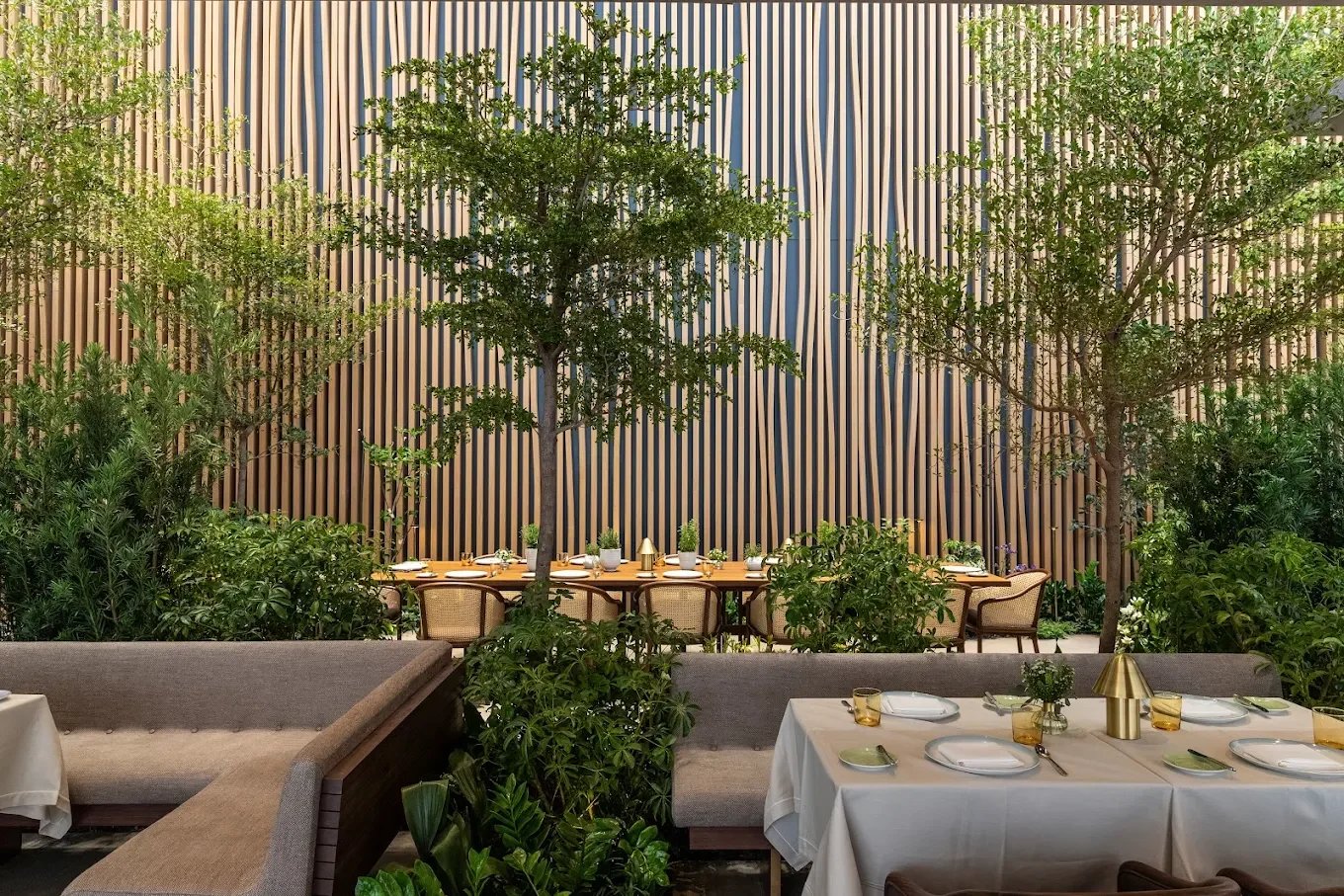
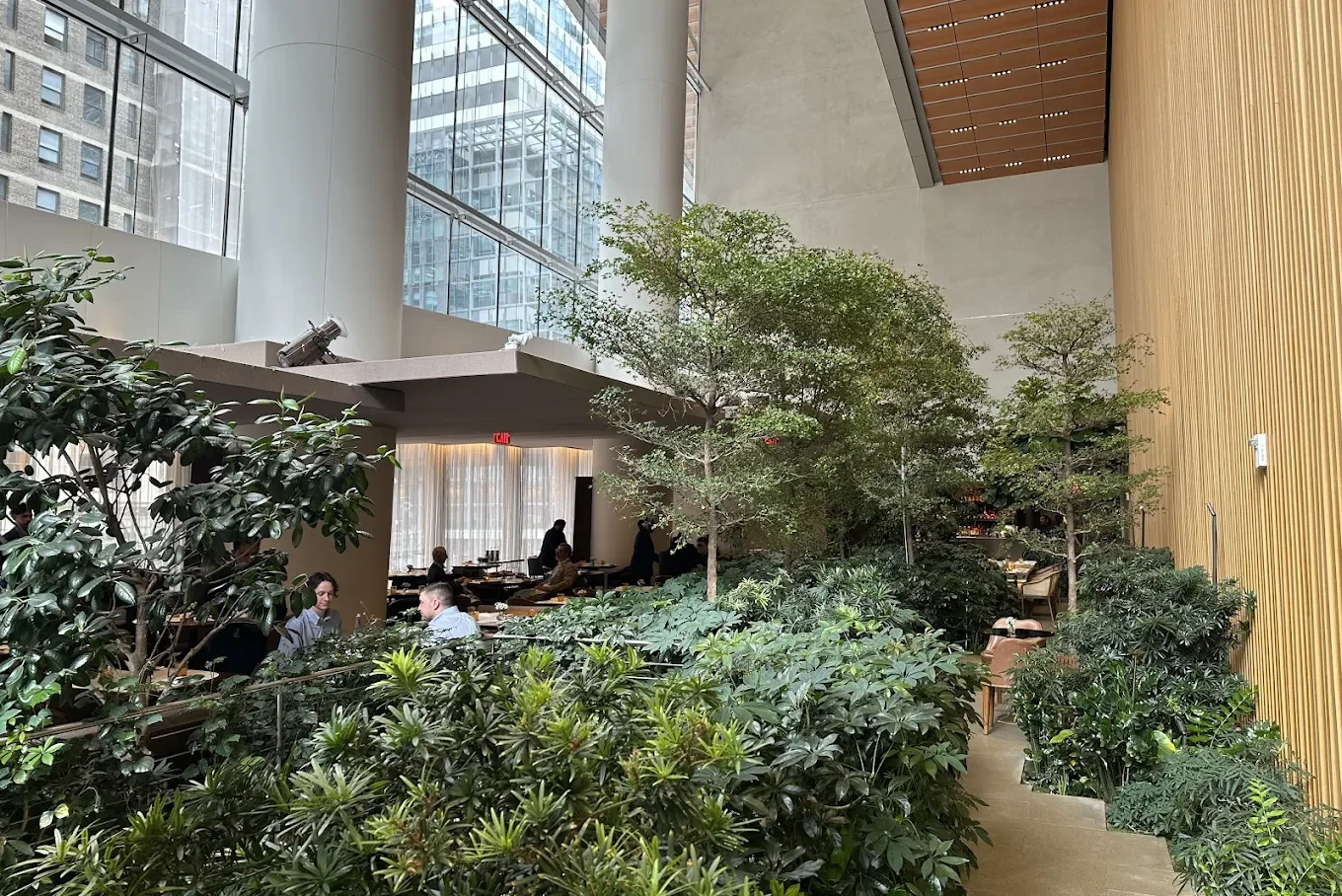
At the base of the tower is Le Pavillon, the flagship restaurant by Daniel Boulud. Designed by Isay Weinfeld, the restaurant contributes to the building’s urban activation and reinforces its mixed-use identity, attracting both office tenants and the broader public.
The integration of hospitality and culinary programming into a primarily office-driven development reflects a broader strategy of placemaking and experiential differentiation.
Capitalization & Financial Execution
One Vanderbilt established multiple precedents in the capital markets:
Anchor Equity: The National Pension Service of Korea (NPS) was secured as a principal limited partner, representing one of the largest institutional equity commitments to a U.S. office tower at the time.
Construction Financing: A $1.5 billion construction loan was arranged through a syndicate of more than 20 domestic and international banks, underscoring lender confidence in the project’s fundamentals and sponsorship.
Permanent Financing: In 2021, the project closed a $3.0 billion single-asset, single-borrower CMBS permanent loan, setting records for size and establishing a new benchmark for commercial real estate securitization.
Leadership Relevance to Development Advisory
Douglas Moreland’s role as Co-Project Officer on One Vanderbilt required integration across:
Development strategy and entitlement execution
Public-private infrastructure negotiation
Design leadership and consultant coordination
Innovative revenue underwriting and operations planning
Institutional equity and record-setting debt execution
This breadth of experience directly underpins Moreland Capital Partners’ development advisory practice, particularly for projects where complexity, scale, and ambition demand more than conventional development approaches.
Legacy & Advisory Implications
One Vanderbilt stands as a case study in modern urban development—demonstrating how disciplined strategy, infrastructure investment, design excellence, and revenue innovation can align to produce lasting value.
For Moreland Capital Partners, the project represents more than a past achievement; it is a practical reference point for advising clients on how to navigate high-stakes development environments and deliver outcomes that are both commercially successful and civically meaningful.